Human Factors & Usability
Women’s Health

partnership, from early prototype to launch
formative evaluations that drove design changes
validation studies across the UK and US
CLIENT
Béa Fertility
PRODUCT
At-home intracervical insemination (ICI) kit
WHAT WE DID
User research, formative and summative evaluation, URRA
TIMELINE
4 years, early prototype to launch
THE CHALLENGE
Fertility treatment is expensive and hard to access. Béa Fertility set out to change that with a clinical-grade, over-the-counter kit for intracervical insemination (ICI) that people can use in the privacy of their own home.
A sensitive, intimate procedure done without a clinician present puts a lot of weight on the design and instructions. Béa needed to:
Understand intended users and their needs from the earliest prototypes
Find and address use-related risks
Show that people could use the kit safely and effectively, for regulatory submissions in both the UK and US
OUR APPROACH
ClariMed, formerly We Are Human, worked alongside the Béa team for four years.
Early-stage user research to feed into early user requirements
Three formative evaluations of successive prototypes, each driving design changes
Use-related risk analysis to make sure effective risk mitigations were developed
Expert reviews to inform the instructions for use
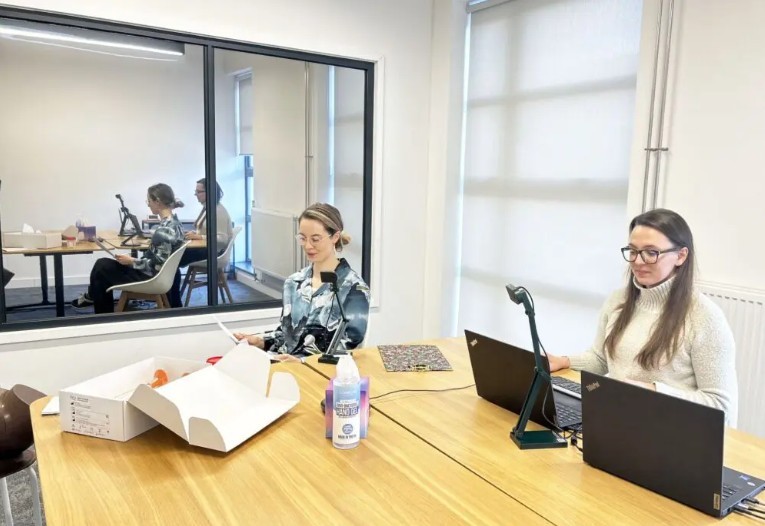
We then planned, ran, analyzed and reported four validation studies: a UK summative evaluation in Bristol, a remote US self-selection study of the website, and US simulated use and actual use studies at our Atlanta facility.

HOW IT WORKED


THE RESULTS
Participant feedback across the formative evaluations shaped clear design and instruction improvements, and those improvements showed in the validation testing.
Design recommendations carried through each prototype round
Validation evidence for regulatory submissions in the UK and US
Human-centered design support through to the launch of the final product in the UK and US
Our team is proud to have worked on a kit that gives people trying to conceive another option.


